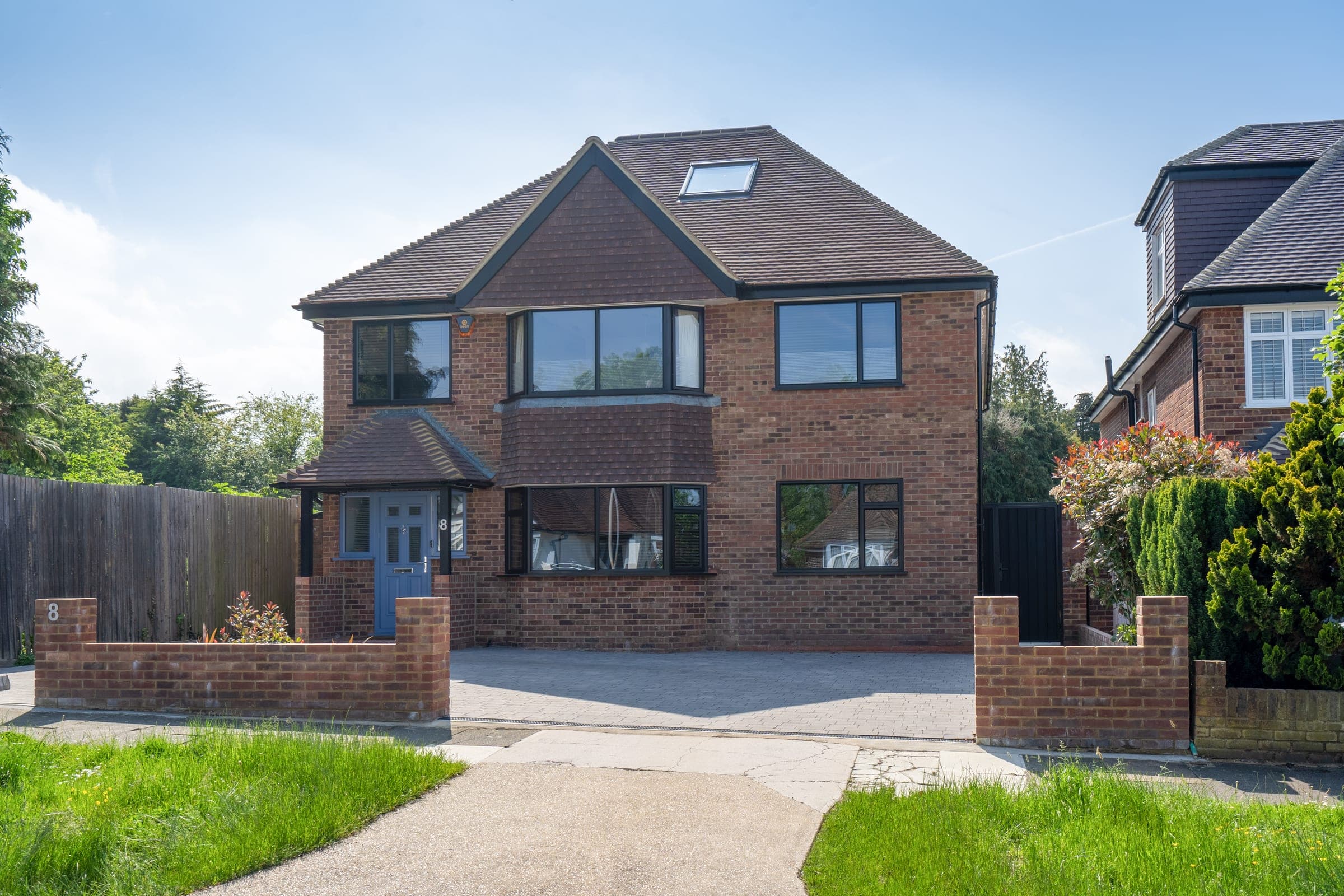
Ask a builder how long your renovation will take and the honest answer is a question back: how resolved is the design, and has planning been granted? The build is the visible part, but on most significant London projects it is not where the time goes. Owners routinely underestimate everything that has to happen before a single wall moves.
Here is a realistic timeline for a major London home renovation, from first sketch to handover, and where the months actually go. Every project is different, but the shape is consistent: a long pre-construction period, a build measured in months rather than weeks, and a final ten per cent that always takes longer than anyone expects.
Design and feasibility comes first, and it runs from a few weeks to several months depending on the ambition of the scheme and how decisively you make choices. This is where the architect develops the design, the structural approach is tested, and a realistic cost plan appears. Rushing it is a false economy. Almost every expensive surprise later traces back to a decision left open here.
If the work needs planning permission, budget for the determination period and then some. A householder application carries a statutory eight-week target; a larger scheme, thirteen weeks. In practice, across the London boroughs, both routinely run longer once consultation, amendments and committee dates are counted. Conservation areas, listed buildings and basements add heritage and specialist reports, and time. Treat planning as a fixed cost in weeks that you cannot compress by wanting to.
With permission in hand, pre-construction does the quiet work that protects the build: a full tender or a two-stage pricing exercise, the contract, and the statutory processes that run alongside. Party wall notices carry their own fixed periods, two months for work to a shared wall, and they belong in the programme now rather than later. Long-lead items, bespoke joinery, stone, specialist glazing and steel, are ordered here too, because their lead times, not the trades, often set the critical path.
“On a major London project, the build is the part everyone watches and the least likely thing to go wrong. The overruns are set months earlier, in decisions left open and processes started late.”
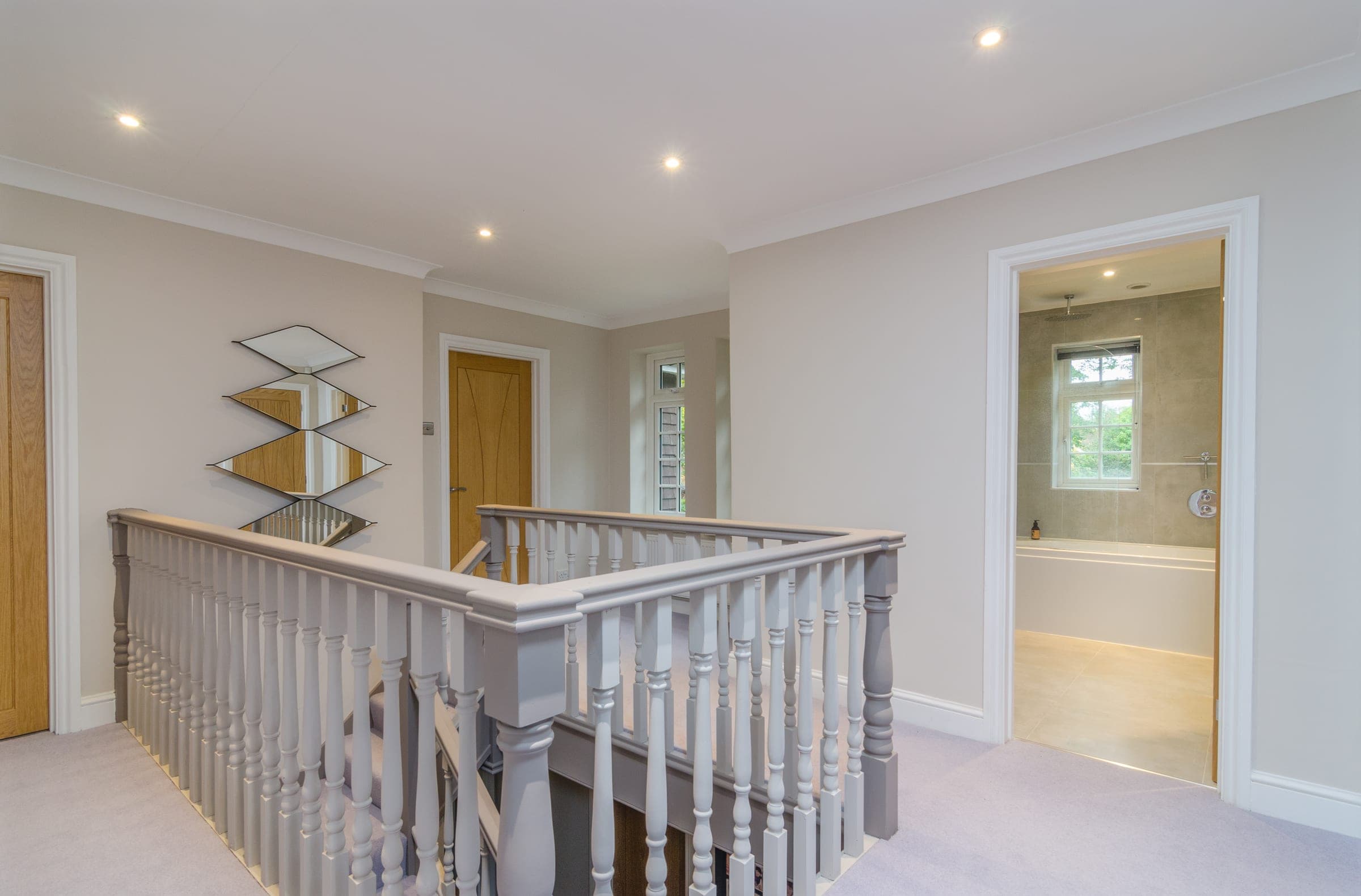
Construction itself, for a full-house London refurbishment or a substantial extension, typically runs six to eighteen months, and longer where a basement or heavy structural work is involved. A basement alone can add many months, because the excavation, temporary works and waterproofing have to be done in sequence and cannot be rushed. The programme moves through demolition and substructure, then structure and envelope, then first-fix services, then plaster and second fix, then finishes. Each stage depends on the one before it, which is why a delay early compounds late.
The overruns are predictable. Decisions carried open into the build, a client still choosing kitchens while the first fix waits on them. Ground surprises on older properties, particularly foundations and drainage discovered at substructure. Long-lead finishes that arrive late and stall the closing weeks. And statutory processes started too late, a party wall award or a building control sign-off that could have been cleared in advance. None of these are acts of God. Each is a scheduling failure that good pre-construction prevents.
The final phase is the one owners feel most, because they can see the finish line and the pace looks slow. Snagging, commissioning the services, final finishes, and the small defects that surface in the first weeks of use are meticulous work, not slow work. A firm that planned the finish properly moves through it steadily. A firm that treated the finish as an afterthought is where projects drift for months. After practical completion, the contractor remains liable for defects through the rectification period, usually twelve months.
HXL prices and programmes the whole of this, not just the build. Our two-stage tender fixes the cost plan and the programme before you commit, sequences the statutory processes and the long-lead orders so they never become the reason the site waits, and reports progress against that programme every week. If you want a realistic timeline for your own scheme rather than an optimistic one, the honest version comes out of a pre-construction conversation. It is the most useful hour you can spend before you start.